Waterfront Living In Upper Grand Lagoon: Buyer Essentials
March 24, 2026
March 24, 2026
If your perfect morning starts with glassy water, a quiet launch, and a short run to Shell Island, Upper Grand Lagoon should be on your radar. Choosing the right waterfront spot here is about more than a view. You need the right access, the right dock and lift setup, and a clear plan for permits, flood zones and insurance. This guide breaks down the essentials so you can buy with confidence, enjoy your boat, and protect your investment. Let’s dive in.
Upper Grand Lagoon sits on the north side of the Grand Lagoon and St. Andrews Bay system in Bay County, part of the Panama City area. Get oriented with this quick overview of the Upper Grand Lagoon area. Locals prize it for small‑boat access to St. Andrews Bay and, through the pass, to Shell Island and the Gulf. St. Andrews State Park maintains a convenient Grand Lagoon boat ramp and facilities that many owners use.
Conditions in the pass can be busy or exposed depending on wind and tide, so plan your runs accordingly. Day to day, you’ll see a mix of bay‑front estates, canal homes, gated marina communities, and mid‑rise condos. The right fit depends on how you boat, how much maintenance you want, and what you need from a dock or slip.
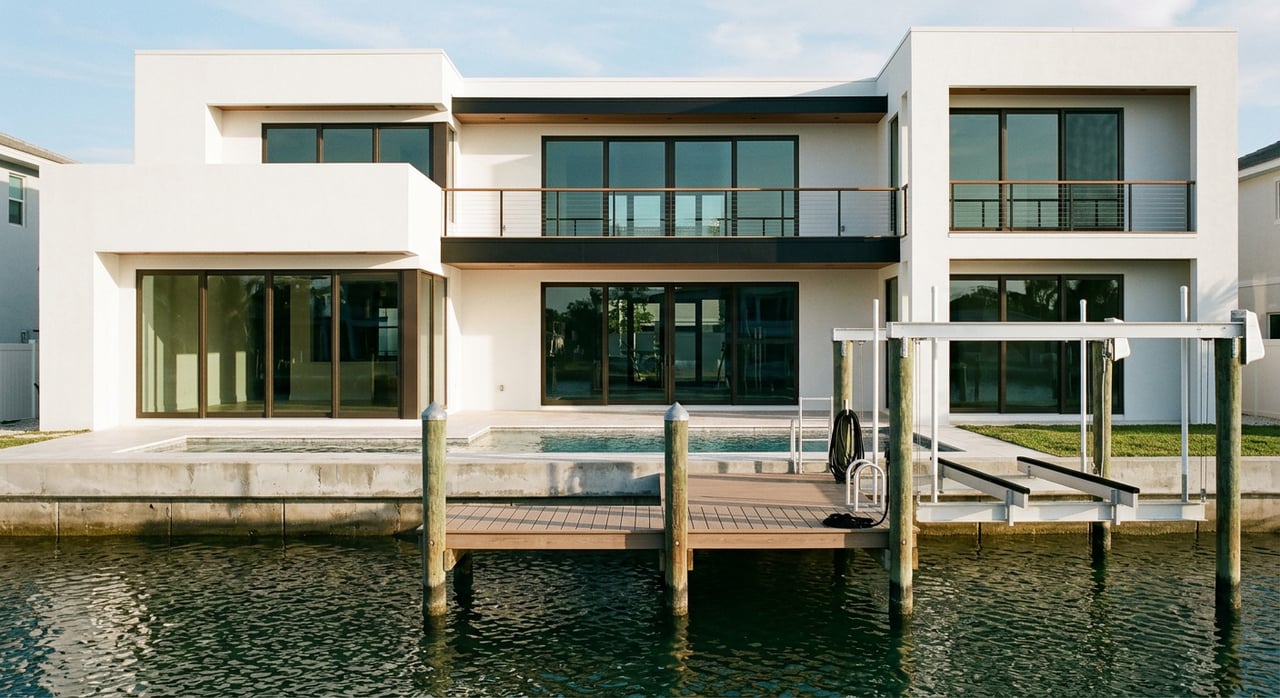
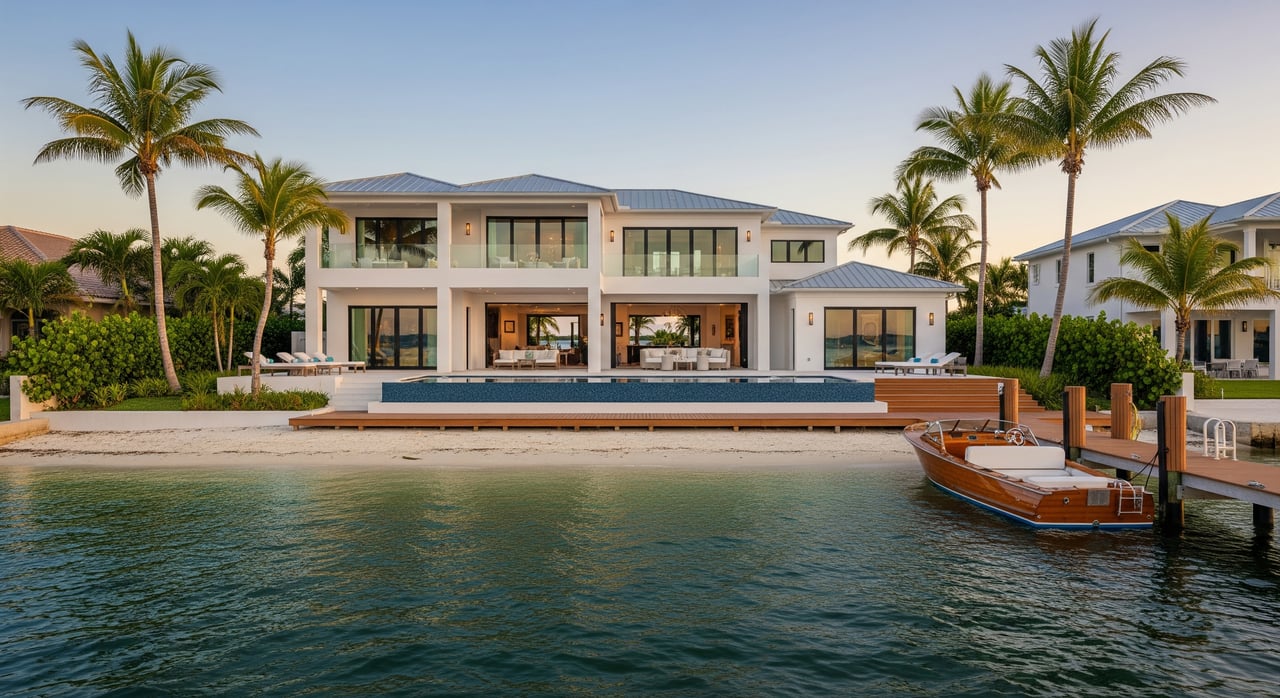
Bay-front lots often run larger with deeper water and room for more substantial docks or covered boathouses. The tradeoff is exposure. These sites face more wind, surge, and wave fetch, which means heavier dock construction, deeper pilings, and robust seawalls are common. If you run a larger boat or want the quickest access to the bay and Gulf, bay-front can be ideal with the right build and maintenance plan.
Canal properties generally feel more sheltered and can keep everyday dock wear lower. You may have narrower frontage and closer neighbors, and neighborhood rules can limit dock size. For many buyers with center consoles or bay boats, canals strike a nice balance of access and calm water. Always confirm water depth, turning radius, and any HOA restrictions before you commit.
Marina-style neighborhoods, such as the Bay Point area served by Point South Marina, deliver full-service slips, fuel, and amenities. You rely less on a private dock and more on slip agreements, with rules and fees that come with the convenience. If you own a larger yacht or want turn-key marina services, this model can simplify ownership. Review slip assignment terms, transfer rules, and operating hours to be sure they fit your routine.
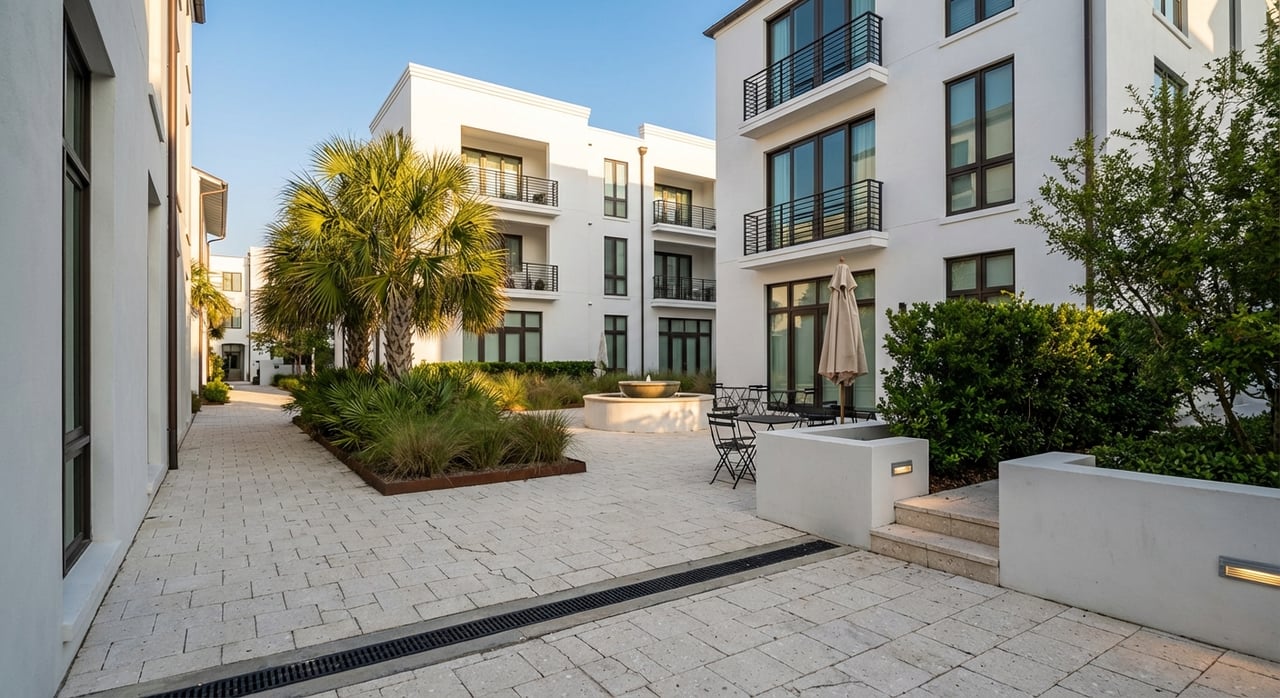
Many lagoon-side buildings offer shared slips, community ramps, or day-use dockage. You gain less personal maintenance and a predictable HOA structure. You also take on HOA rules about slip usage, lifts, and any waitlists. Ask for the governing documents and any wet‑slip agreements so you know exactly what conveys with your unit.
Grand Lagoon connects directly to St. Andrews Bay and the Gulf, but some passages are narrow and busy. If you run a tall rig, be mindful of bridge clearances around the Hwy 98 and Hathaway area, and plan routes ahead. The state publishes alternate route maps and environmental notes that are useful for trip planning.
Practical tips:
Local docks range from fixed platforms on pilings to covered boathouses with vertical or hydraulic lifts. You will also see floating or platform-style PWC lifts for jet skis. Manufacturer guidance shows vertical and hydraulic models in capacities from a few thousand pounds to 12,000 pounds and up. Match the lift rating to your boat’s dry weight plus fuel and gear, then confirm the lift’s motor, cable, and hardware condition during inspection. For specs and configurations, review vertical and hydraulic lift options.
Useful features to look for:
Bay County requires a formal submittal for new or replacement docks and seawalls, including engineered seawall specs and a site plan. The county’s guidance also warns that state or federal approvals may be required. Review the county’s Dock and Seawall application packet early so you know what drawings and signoffs your project will need.
In Florida, if a dock or slip occupies sovereign submerged lands, the state may require a lease or easement with annual fees. The Florida Department of Environmental Protection explains what triggers these authorizations in its sovereign submerged lands FAQ. As a buyer, confirm whether any wet slip is covered by a lease, whether it conveys, and what reporting or fees apply.
Florida Statute 403.813 provides exemptions for certain small, non-commercial docks and floating boat lifts that meet strict criteria. Some local governments can still require a one-time registration for floating platforms for safety reasons. Read the statutory exemptions for small docks and lifts, then verify county requirements before you assume any structure is permitted.
If your project touches navigable waters or involves fill, you may also need authorization from the U.S. Army Corps of Engineers. The county and DEP checklists remind owners to verify all required permits. Your closing timeline should allow for this research.
Flood risk drives both design and carrying costs for waterfront property. The FEMA Flood Map Service Center is the authoritative source for a property’s Flood Insurance Rate Map panel. It will show if your lot is in a Special Flood Hazard Area, such as AE or VE zones, and list the Base Flood Elevation. Bay County has adopted updated coastal maps in recent years, and some lagoon parcels saw zone changes or BFE shifts that affect new construction and substantial improvements.
Insurance is also part of the equation. If you finance a home in an SFHA with a federally regulated lender, flood insurance is typically required. The federal NFIP program explains how policies work at FloodSmart.gov. In Florida’s coastal market, expect higher premiums on high-risk waterfront parcels and be ready to provide elevation certificates or mitigation details to carriers. Always request the seller’s flood policy history, claims history and any existing Elevation Certificate during due diligence.
If a storm substantially damages a home or if you plan major reconstruction, you may be required to elevate the structure to current code and BFE. That makes it essential to know your map status and to price potential elevation work before you close.
Use this list to focus your due diligence on what impacts safety, use and cost:
Ready to shop with clarity and confidence in Upper Grand Lagoon? We combine local waterway knowledge with a design-forward, concierge process that helps you evaluate docks, permits, and risk alongside lifestyle and aesthetics. If you want a waterfront home that works on paper and on the water, schedule a complimentary consultation with Sara Violette.
Stay up to date on the latest real estate trends.
Whether you’re looking for a vacation home, an investment property, or to turn your travel destination into a permanent residence, Sara Violette values your time and reduces as much of your stress as possible — while elevating the fun. Sara always takes care to align with your needs and desires so you can enjoy the beach lifestyle that much sooner.