Moving to Upper Grand Lagoon FL: Your Relocation Guide
January 15, 2026
January 15, 2026
Thinking about trading crowded beachfront scenes for a quieter, boat‑friendly lifestyle without losing quick beach access? Upper Grand Lagoon gives you both. You get fast access to Panama City Beach amenities, plus canals that lead to Grand Lagoon and the Gulf. In this guide, you’ll learn where to look for homes, how boat access works, what utilities and insurance to expect, and how to plan a stress‑free move into a coastal neighborhood. Let’s dive in.
Upper Grand Lagoon sits inland of the Grand Lagoon waterway between Panama City and Panama City Beach. You’re minutes from beach parking, dining, and shopping, and a short ride to Pier Park and regional employers in Panama City. Many blocks near the water feature canals with direct access to the lagoon and, ultimately, the Gulf.
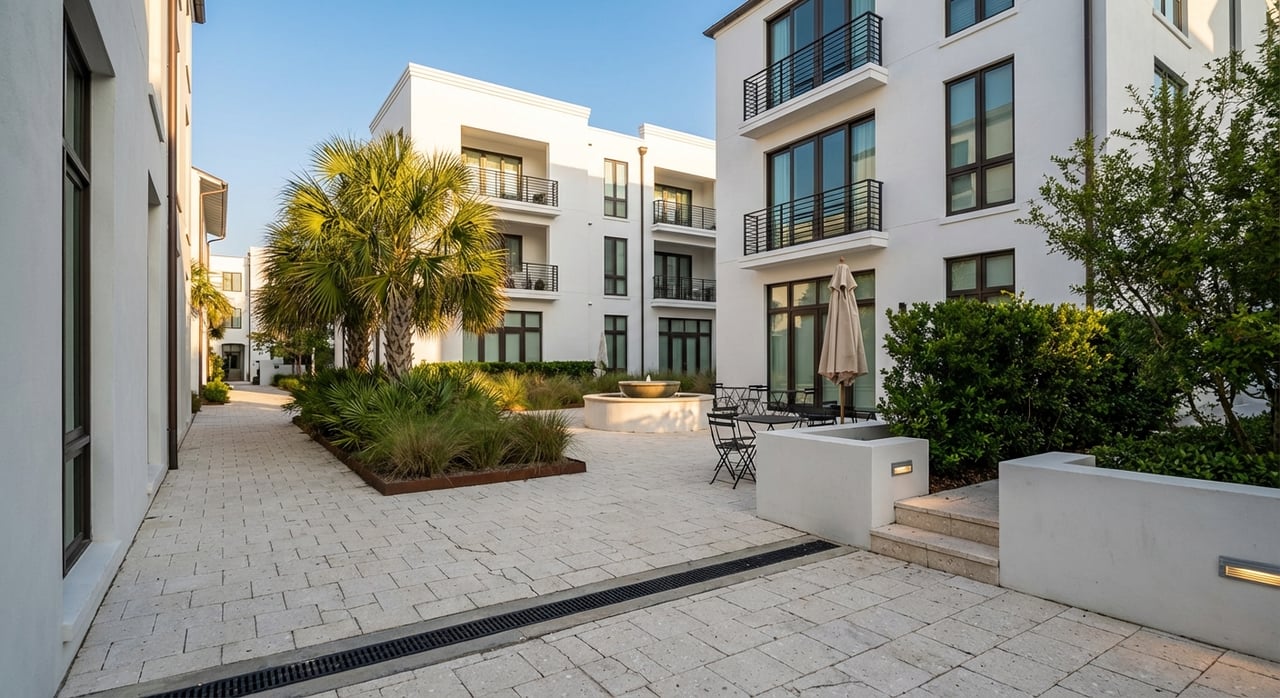
The housing mix includes single‑family homes, canal‑front properties with docks, duplex and row units, and smaller condo buildings. Inland pockets feel more suburban and stable, while areas closest to marinas can see more seasonal turnover. Expect a blend of full‑time residents and second‑home owners.
Pro tip: seasonal demand and insurance costs can influence pricing. Get address‑specific comps and quotes early in your search.
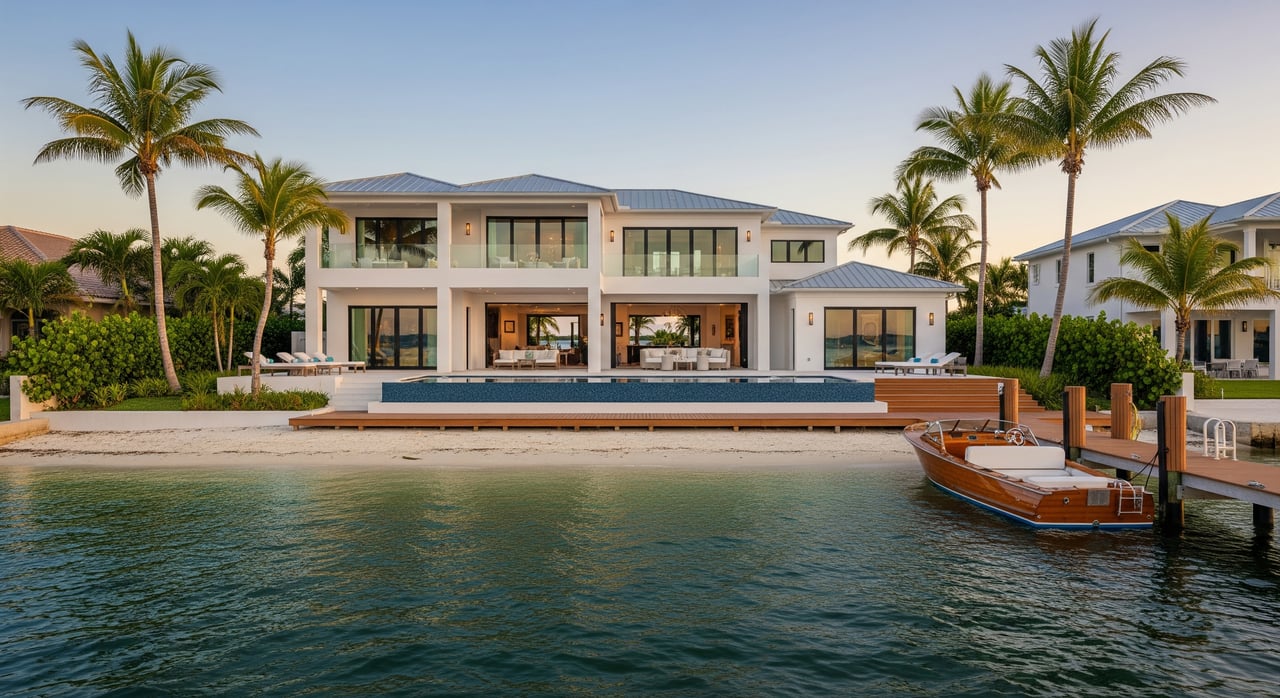
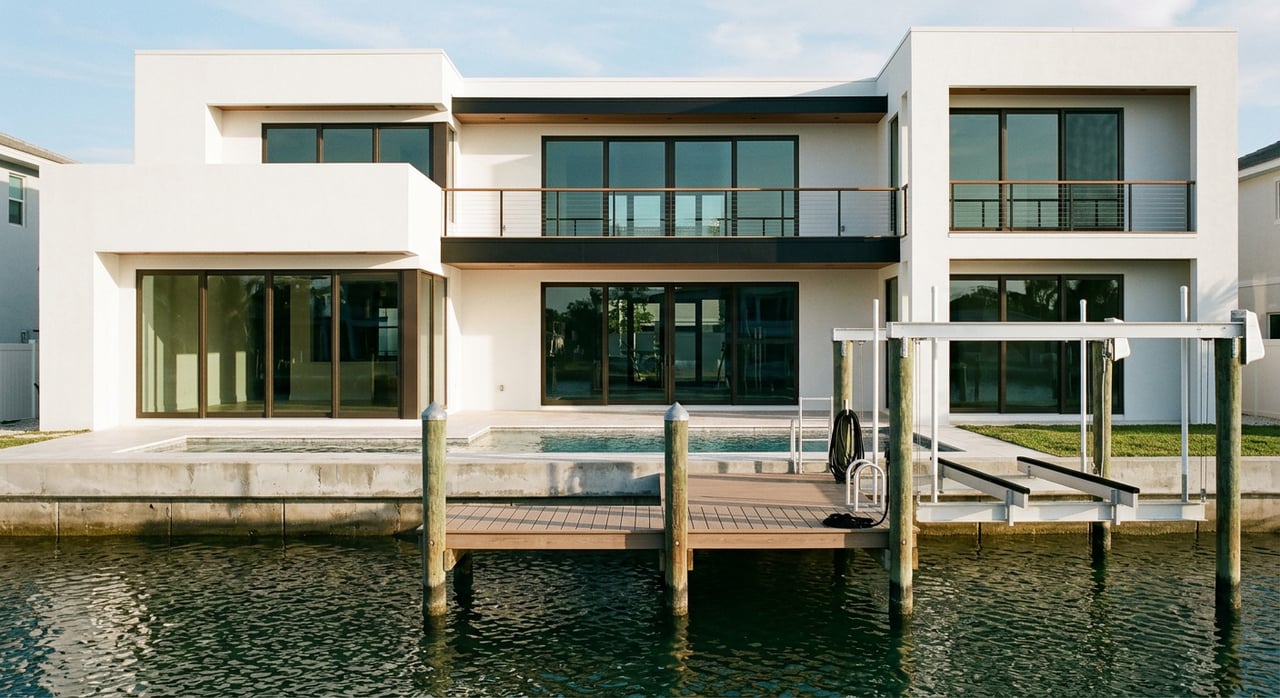
Many Upper Grand Lagoon homes back to canals with private docks. When you tour a property, confirm who owns the dock, its permit and maintenance history, and the condition of the seawall or bulkhead. Some older structures may be nonconforming or due for repair, so plan for inspections and potential updates.
If you do not buy on the water, you can still access Grand Lagoon through public ramps and private marinas. Slip availability and waitlists change with the season. Check options early if you plan to bring a boat or rely on dry storage.
Grand Lagoon connects to larger bay waters and the Gulf through marked channels. Tides, shoals, and bridges shape routes and clearance, so local charts and knowledge matter. Make sure your vessel meets Florida safety rules and registration requirements, and verify trailer registration before you haul in.
You can fish inshore and offshore, kayak the lagoon, or boat to the beach for the day. Charter captains and marine services operate nearby, but busy seasons can stretch lead times. If you rely on mechanic support or haul‑outs, book in advance.
Electric service varies by address in Bay County. Confirm your specific provider during due diligence. Water and sewer may be city‑run, county‑run, or private, and some parcels use septic. Verify hookups, meter status, and who maintains lateral lines before closing.
Trash and recycling are handled by either Bay County or city services, depending on jurisdiction. Check collection schedules and the rules for bulk items. If you plan renovations, ask about construction debris options and any permitting triggers.
Internet options typically include cable through Spectrum/Charter and AT&T DSL or fiber where available. Speeds and availability vary by street, so run an address check and confirm with the seller. Many coastal homes rely on electric or propane instead of natural gas. If gas appliances matter to you, verify availability early.
USPS delivery patterns depend on the specific address; some residents use PO boxes. Identify the closest urgent care and hospital and note transport times during peak tourism. Program local emergency management contacts, especially during storm season.
Tourist season and hurricane season can complicate everything from traffic to contractor schedules. Hurricane season runs June 1 through November 30, with peak risk in August and September. If possible, plan your move and major deliveries outside those windows.
Older canal blocks can have narrow streets and limited on‑street parking. Some HOAs require permits for moving trucks or limit hours. If your property sits near a seawall or has tight access, you may need specialty equipment or a smaller shuttle truck for large items.
Storage facilities and boat or RV parking are common in the area, but they fill quickly. If you are arriving with a trailer or intend to secure a marina slip, line it up before closing. Ask about HOA rules on on‑site trailer parking.
Some parcels near the lagoon fall within FEMA Special Flood Hazard Areas such as AE or VE. Even homes outside high‑risk zones can see water from surge or heavy rain. Get the property’s FEMA flood map designation, request an elevation certificate if available, and obtain flood insurance quotes during your inspection period.
Florida homeowners often carry separate windstorm or hurricane coverage. Rates change with market conditions and reinsurance costs. Speak with a local agent about coverage requirements for your lender and realistic premium ranges for your home’s construction type and elevation.
Bay County and Panama City Beach follow Florida Building Code with coastal standards, and rebuilding rules tightened after major storms like Hurricane Michael. Review permit history for roofs, windows, doors, docks, and additions. Smart improvements include impact‑rated openings, reinforced roofs, flood vents, elevated mechanicals, and corrosion‑resistant materials.
Salt air and humidity speed up wear on HVAC units, railings, exterior metals, and electrical components. Plan on frequent inspection, service contracts, and dehumidification. Choose salt‑tolerant landscaping and consider erosion control where needed. Pest control for mosquitos and occasional wildlife is part of waterfront living.
Panama City Beach and nearby lagoon areas have active vacation rental demand. If rental income is part of your plan, verify zoning, licensing, occupancy limits, safety requirements, and lodging taxes for the specific address. HOAs and neighborhood covenants may set their own rules, so review them before you underwrite income.
Neighborhoods closer to marinas can feel more transient during peak seasons, while inland areas tend to be more stable. Decide which rhythm fits your lifestyle, then choose the block accordingly.
Public schools are served by Bay District Schools, with assignments based on address. Private and charter options exist in the region. If schools are important, check attendance zones and transportation for the exact property.
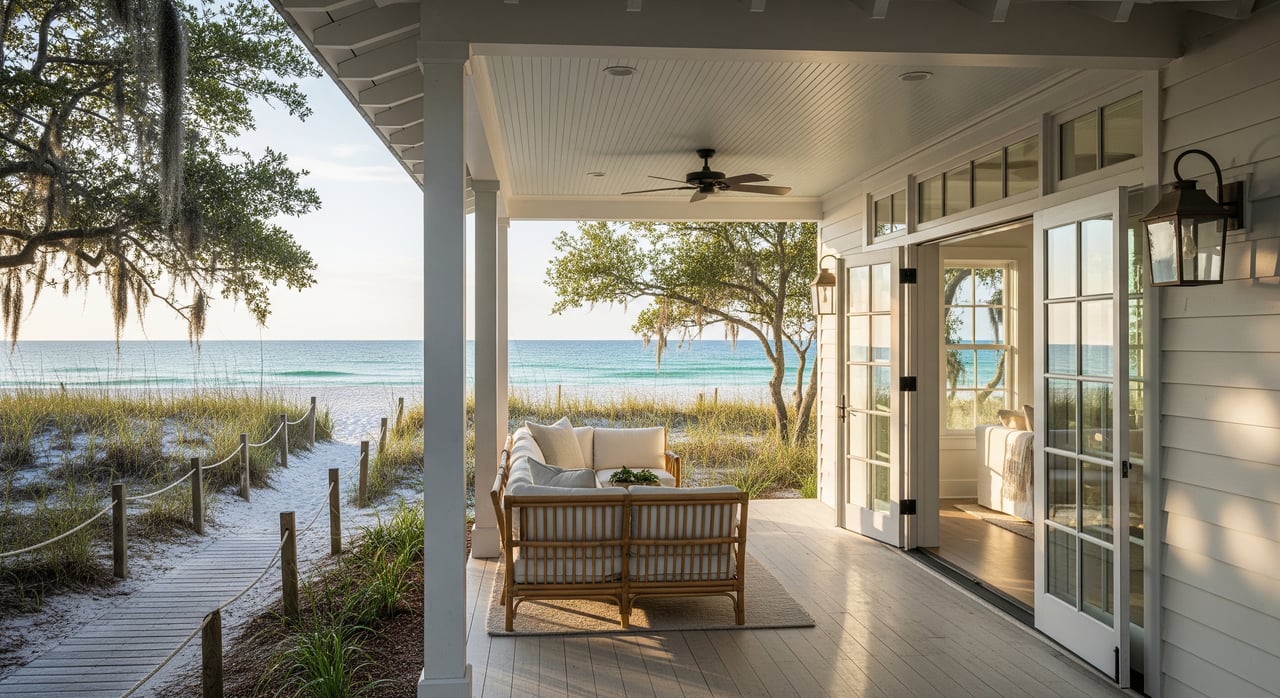
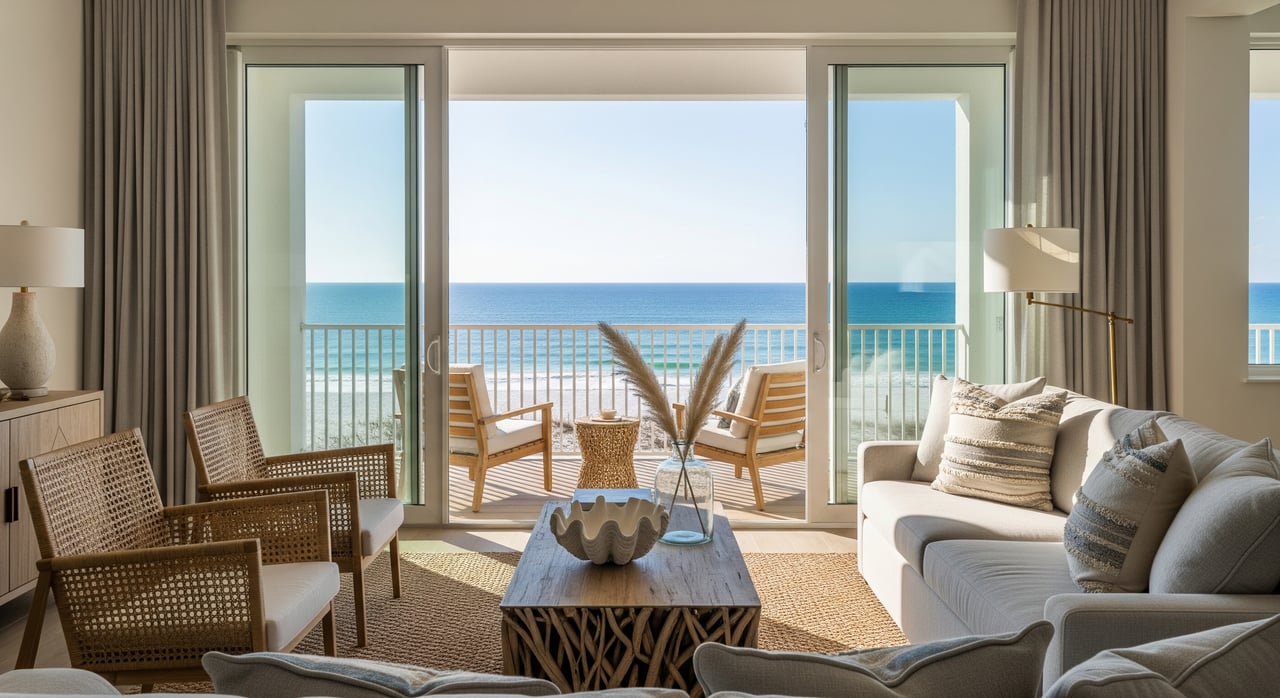
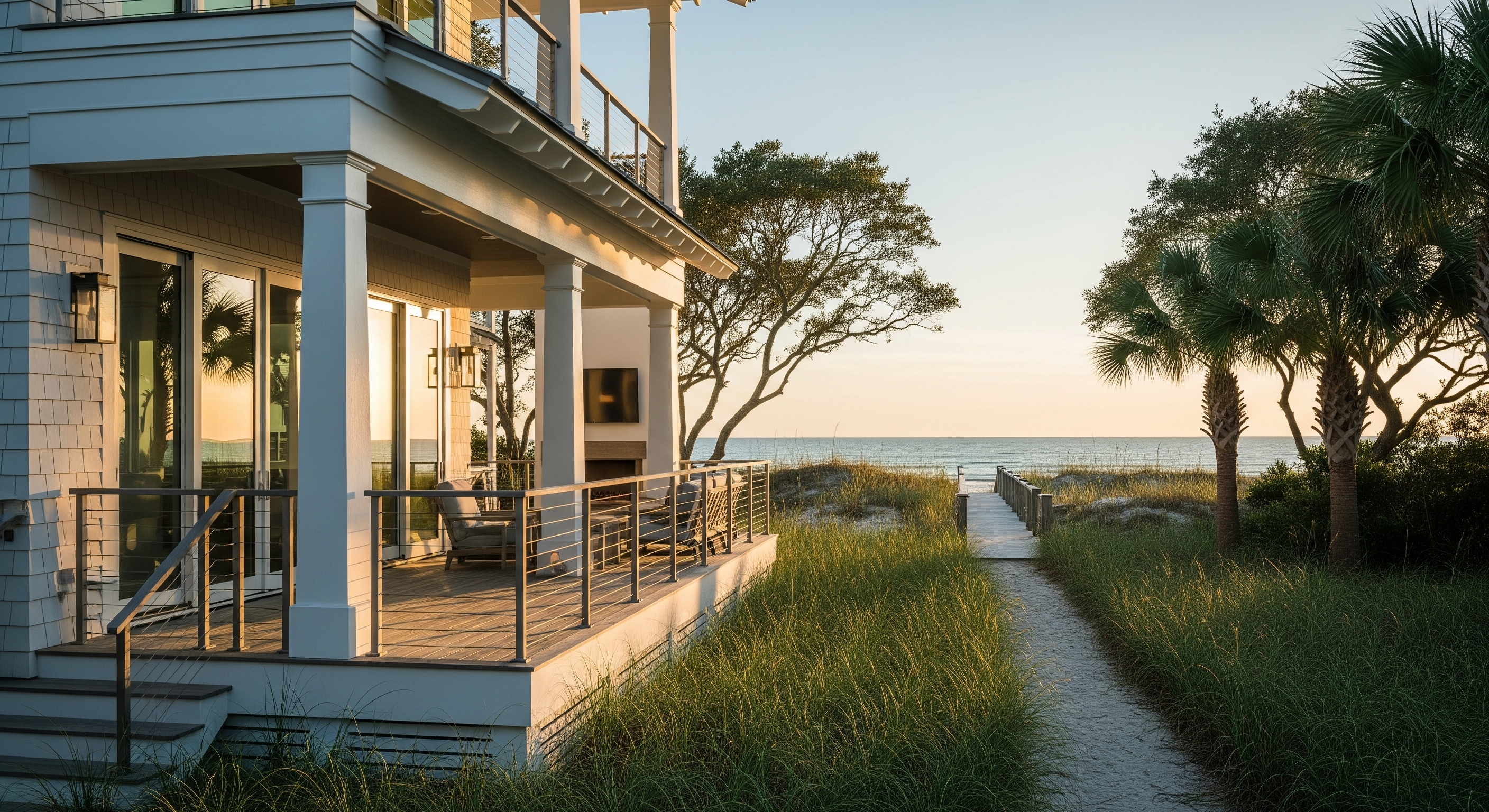
On most days, you can launch a paddleboard at sunrise, grab lunch in Panama City Beach, and make an afternoon beach run by boat or car. That convenience is what draws many buyers here. With the right preparation on insurance, permits, and maintenance, you can enjoy relaxed coastal living with fewer surprises.
If you want design‑forward guidance and a smooth, concierge purchase in Upper Grand Lagoon, you are in the right place. Our team has deep experience with coastal due diligence, new‑construction product, and turn‑key presentation that simplifies second‑home ownership and investment buys. Reach out to Sara Violette to schedule a complimentary design‑forward consultation and start your search with confidence.
Stay up to date on the latest real estate trends.
Whether you’re looking for a vacation home, an investment property, or to turn your travel destination into a permanent residence, Sara Violette values your time and reduces as much of your stress as possible — while elevating the fun. Sara always takes care to align with your needs and desires so you can enjoy the beach lifestyle that much sooner.